Describe the Role of Rna Polymerase in Transcription
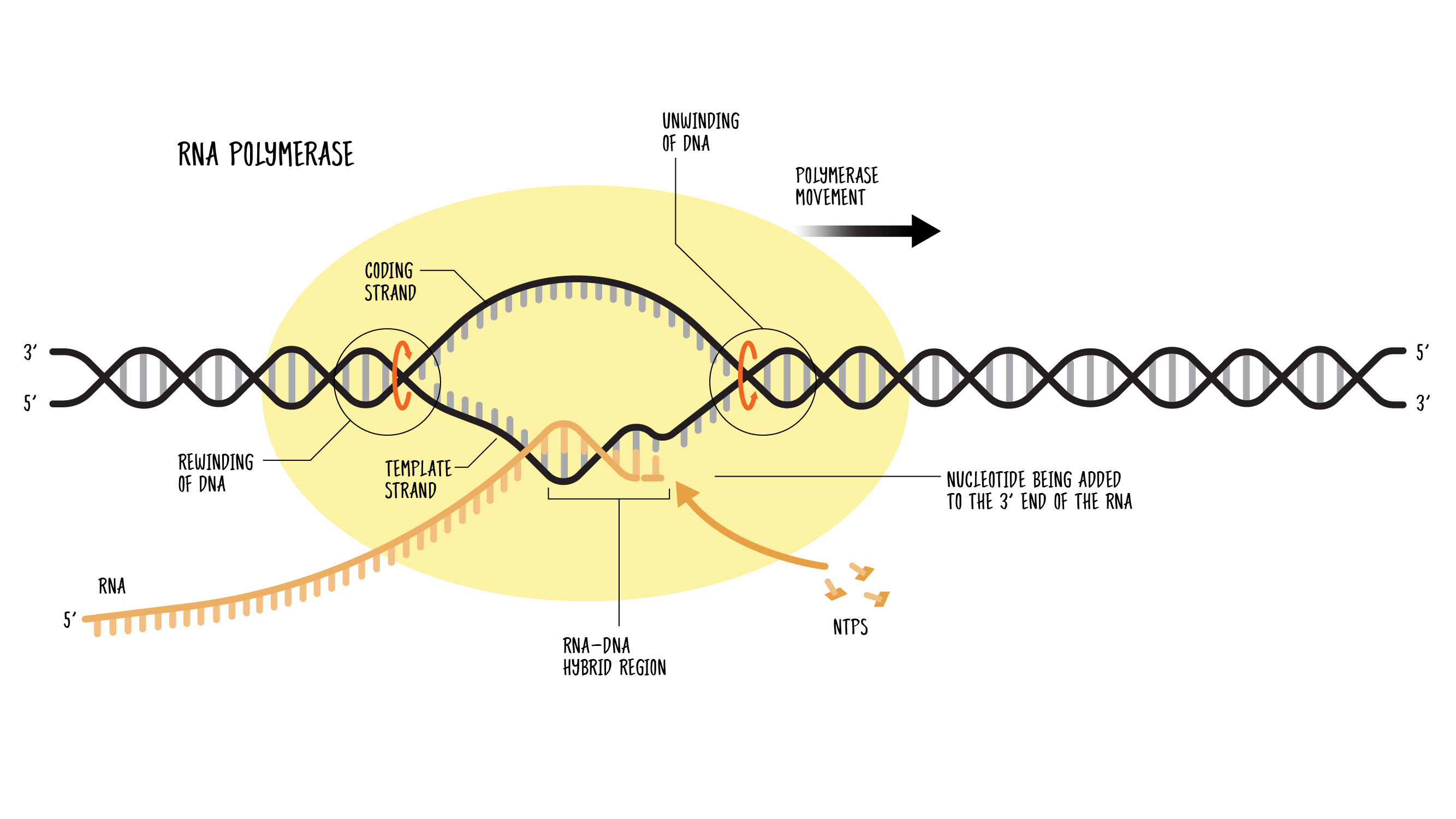
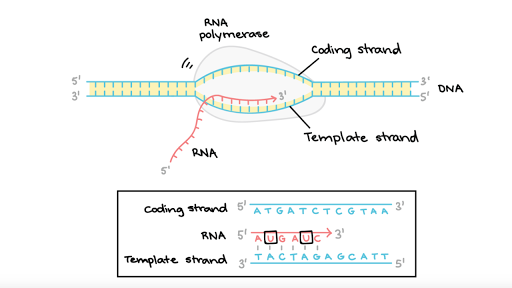
Describe the role of RNA polymerase in the transcription process. RNA polymerase uses one of the DNA strands the template strand as a template to make a new complementary RNA molecule.

Termination Of Transcription By Rna Polymerase Ii Boom Trends In Genetics
An acceptable explanation of the role of RNA polymerase.
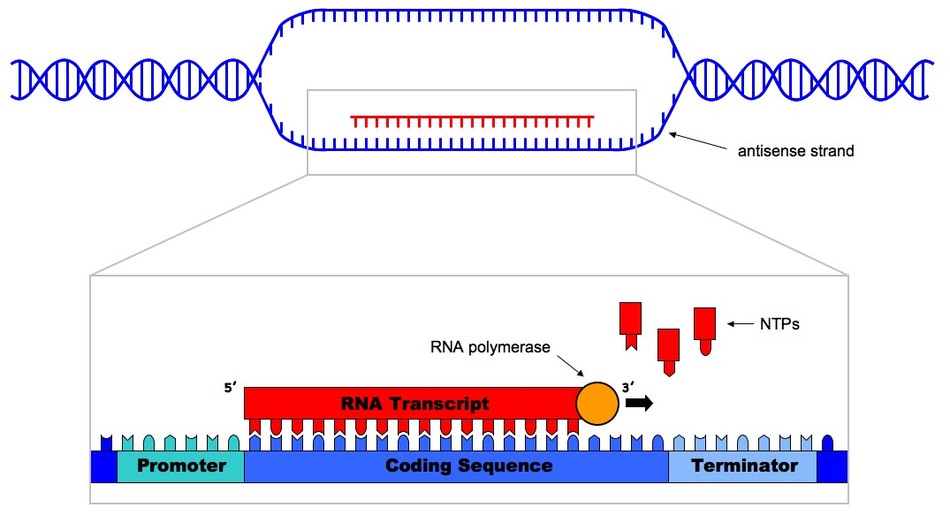
. The DNA-dependent RNA polymerase binds to the promoter and catalyses the polymerization in the 5 to 3 direction on the template strand. The RNA polymerase after initiation of RNA transcription loses the σ-factor but continues the process of RNA formation. Initiation is the beginning of transcription.
Surprisingly several of these proteins are involved in RNA polymerase II transcription. A key step in transcription initiation by RNA polymerase II is the phosphorylation of the RNA polymerase II tail or the C-terminal domain. This article is part of a Special Issue entitled.
The dependent variable in the experiments. A RNA polymerase RNAP or ribonucleic acid polymerase is a multi subunit enzyme that catalyzes the process of transcription where an RNA polymer is synthesized from a DNA template. RNA polymerase RNAP is the enzyme responsible for transcription in eukaryotic cells.
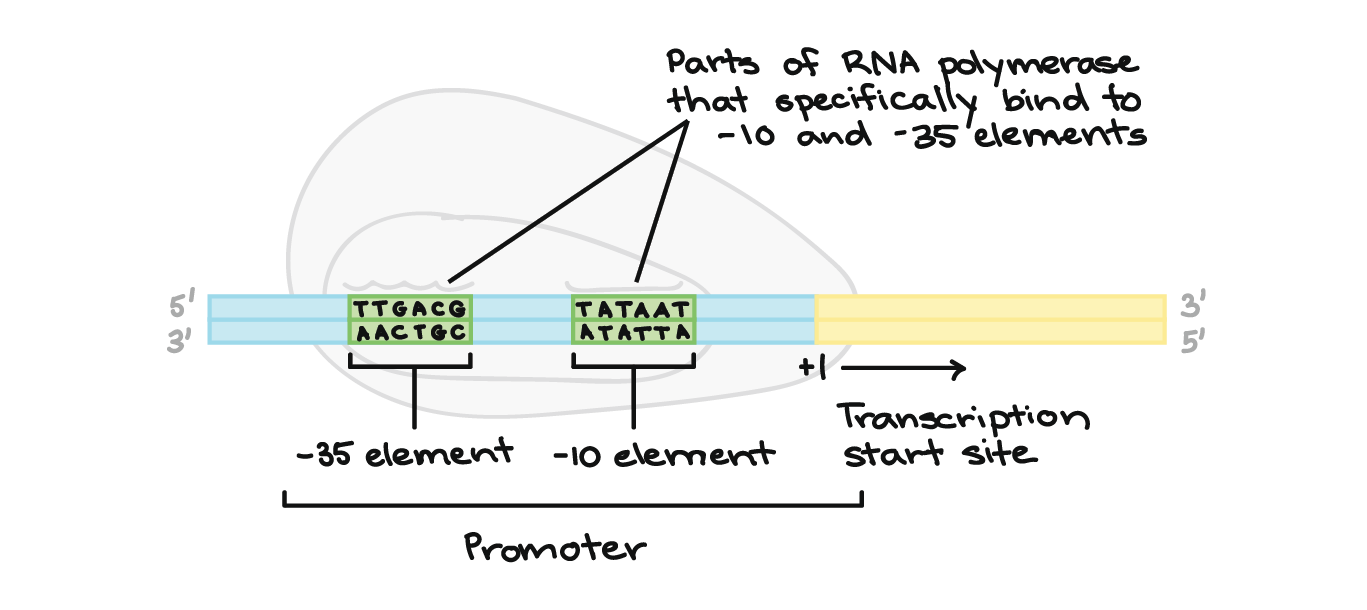
RNA polymerase is the main transcription enzyme. These sequences alone are sufficient for transcription initiation to occur but promoters with additional sequences in the region from -180 to -105 upstream of the initiation site will further enhance initiation. B ElongationThe RNA polymerase after initiation of RNA transcription loses the s-factor but continues the process of.
Up to 24 cash back the role of RNA. RRNA acts as a factory floor where protein synthesis can. Unlike bacterial cells where a single RNAP facilitates transcription there are.
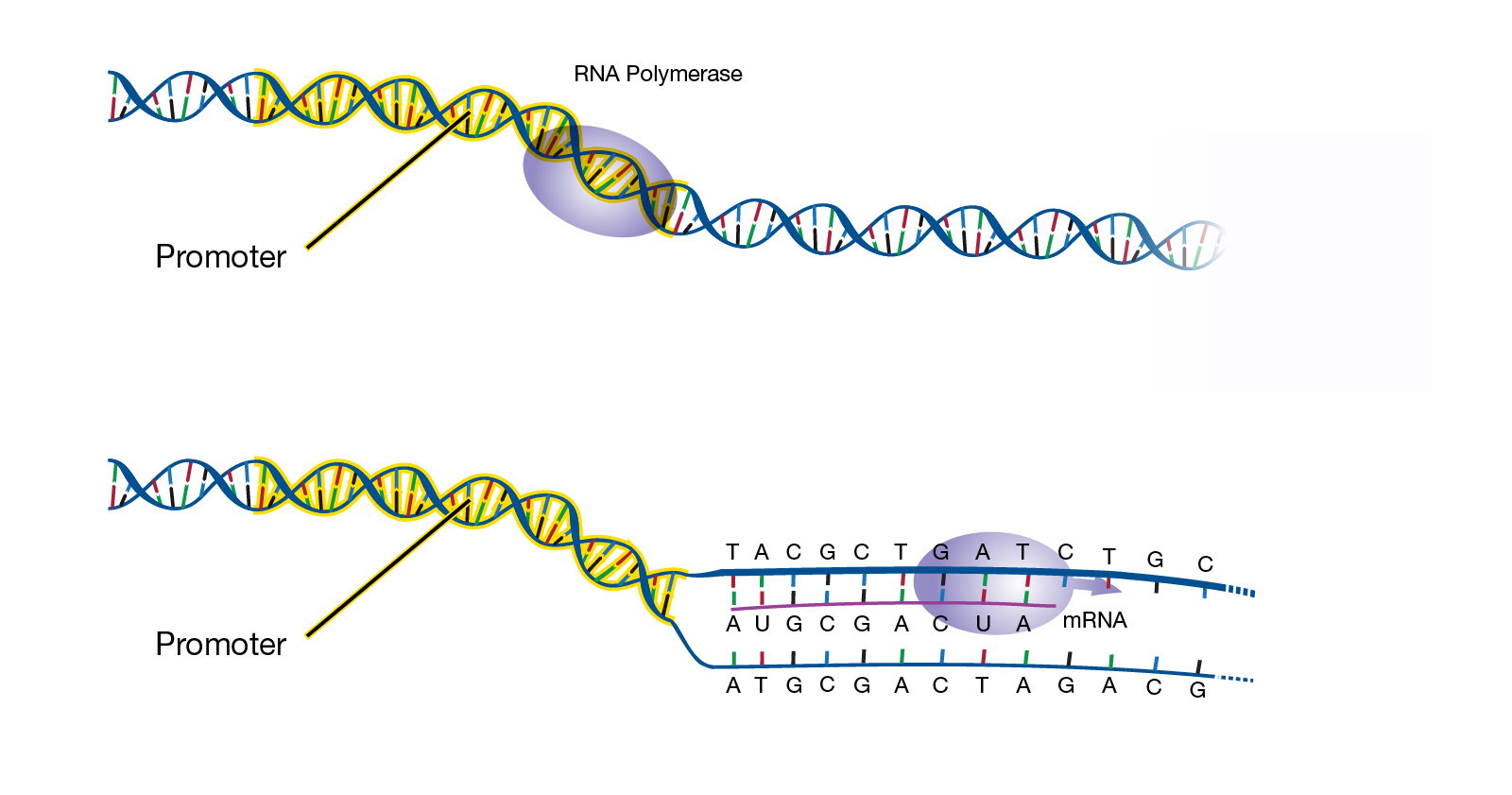
- RNA polymerase synthesizes a new RNA molecule based on a DNA template by matching the current DNA base with the proper RNA complement. Transcription begins when RNA polymerase binds to a promoter sequence near the beginning of a gene directly or through helper proteins. PMC free article Google Scholar.
Once the RNA polymerase reaches the termination region of. As it moves the polymerase unwinds the template DNA over about 17 base pairs less than two turns of the double helix in the region of transcription. It uses single-strand DNA to synthesize a complementary RNA strand.
The enzyme is now ready to make a strand of mRNA with a complementary sequence of bases. Accept one of the following. - RNA polymerase joinsbonds the newly paired RNA nucleotide and the growing RNA strand with a covalent bond.
Key Concept 3 Categories Questions. Leave a Reply Cancel reply. 1 point 1C Total for part A.
1 point 1A Explain the role of RNA polymerase during transcription. The sequence of the RNA polymer is complementary to that of the template DNA and is synthesized in a 5 3 orientation. 12 38573871 1998.
RNA polymerase II elongation factors Spt4p and Spt5p play roles in transcription elongation by RNA polymerase I and rRNA processing. This strand of RNA known as messenger RNA mRNA binds to the ribosome an organelle within the cellThe ribosome is made of a molecule known as ribosomal RNA rRNA. During transcription RNA Polymerase binds with upstream of the gene that is to be transcribed into mRNA.
The role of RNA in protein synthesis begins when transcription ends and the genetic instructions for translation are ready. The need for this control group in the second experiment. RNA polymerase I transcribes genes that have two GC-rich promoter sequences in the -45 to 20 region.
Acceptable explanations include the following. Schneider DA French SL Osheim YN Bailey AO Vu L Dodd J Yates JR Beyer AL Nomura M. The effect of amanitin on the maximum elongation rate for the wild-type and modified RNA polymerases.
RNA Polymerase catalyzes a reaction that cleaves off two phosphates from an NTP and forms a phosphodiester linkage between the 3 end of the growing mRNA chain and the resulting ribonucleoside monophosphate during Transcription. Key Concept 3 Describe the role of RNA polymerase in the transcription process. Genes that are transcribed by RNA polymerase III have upstream.
This process builds the RNA complimentary to the DNA template. Transcription by Odd Pols. Role of Polymerase in Transcription in Bacteria.
2 points Describe how RNA capping of eukaryotic pre-mRNAs occur 4 points. After RNA polymerase has passed the DNA strands reform the duplex. RNA polymerase II Pol II transcribes all protein-coding genes and many noncoding RNAs in eukaryotic genomes.
This signals the DNA to unwind so the enzyme can read the bases in one of the DNA strands. A Initiations sigma factor recognises the start signal and promotor region on DNA and the s sigma with RNA polymerase binds to the promoter and initiate transcription. The RNA polymerase is the main enzyme involved in transcription.
A control group missing from the second experiment. What does this phosphorylation provide. This RNA strand is called the primary transcript and.
Defining the role of these potential new effectors in Pol III transcription in vivo will be the challenge of the next few years. RNA polymerase synthesizes a new mRNA molecule based on a DNA template by matching the current DNA base with the proper complement. It occurs when the enzyme RNA polymerase binds to a region of a gene called the promoter.
σ sigma factor recognises the start signal and promotor region on DNA and the σ sigma with RNA polymerase binds to the promoter and initiates transcription. Proc Natl Acad Sci USA. Although Pol II is a complex 12-subunit enzyme it lacks the ability to initiate transcription and cannot consistently transcribe.
The RNA cleavage activity of RNA polymerase III is mediated by an essential TFIIS-like subunit and is important for transcription termination. Outline the flow of genetic information from DNA to mRNA describe the process of transcription including the role of RNA polymerase s in prokaryotes and eukaryotes use knowledge of bases and base pairings to convert DNA sequences into mRNA sequences recall where transcription occurs in a eukaryotic cell describe post-transcriptional modifications that occur in eukaryotes. This causes the double helix shape of the DNA to unwind.
The RNA chain continues to grow until the RNA polymerase encounters a termination signal. RNA polymerase joins or bonds the newly paired RNA nucleotide and the growing RNA strand with a covalent bond.
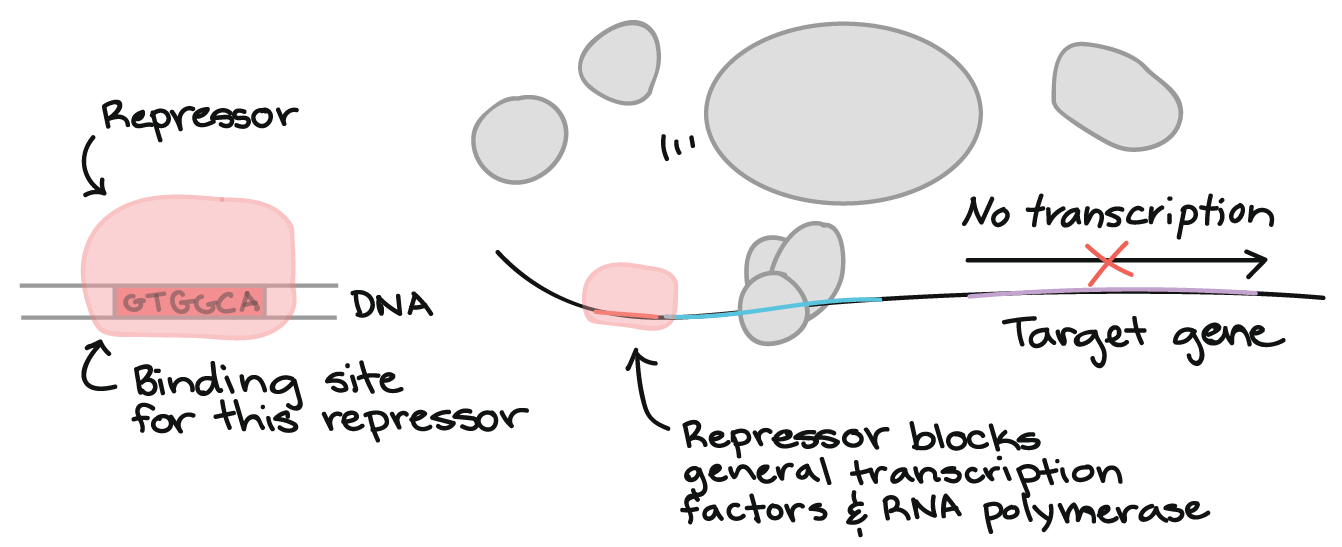
Transcription Factors Article Khan Academy
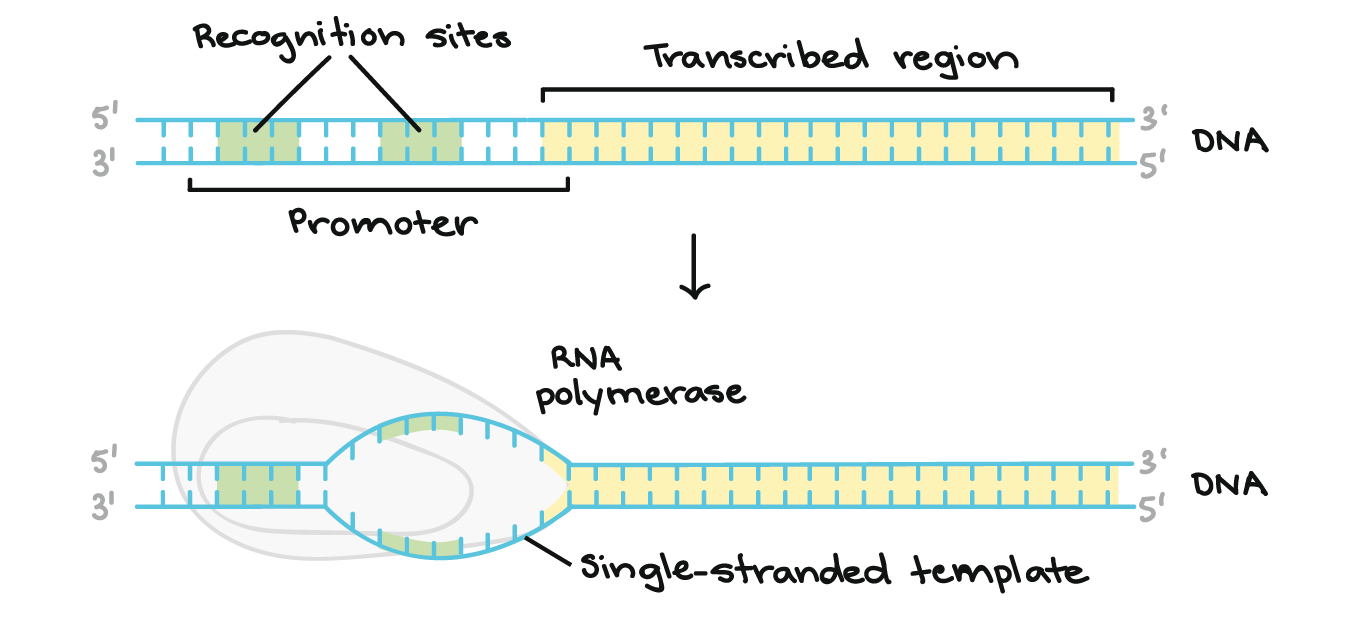
Stages Of Transcription Initiation Elongation Termination Article Khan Academy
Transcription Bioninja

Addgene Promoters

Rna Transcription Microbiology

How Would Rna Polymerase Be Affected If The Repressor Protein Were Not Bound To The Proper Site On A Gene Socratic

Rna Polymerase Overview Role In Transcription Expii

Noncoding Rnas Set The Stage For Rna Polymerase Ii Transcription Trends In Genetics

Rna Polymerase Ii An Overview Sciencedirect Topics
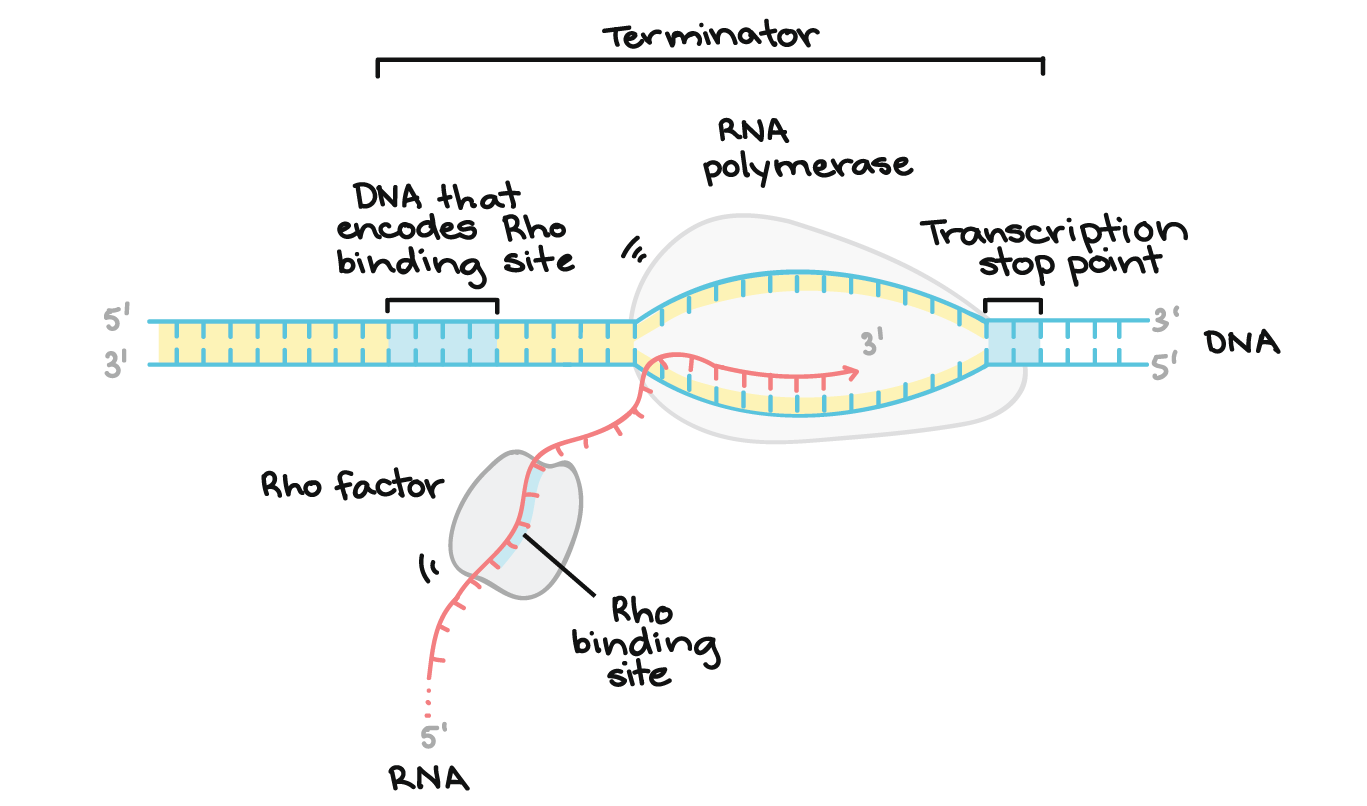
Stages Of Transcription Initiation Elongation Termination Article Khan Academy
Rna Polymerase Function And Definition Technology Networks

Question Video Recalling The Role Of Rna Polymerase In Transcription Nagwa

State Diagrams Of Rna Polymerase A The Model Of The Main Download Scientific Diagram

Addgene Promoters

Rna Polymerase Function And Definition Technology Networks

Rna Transcription An Overview Sciencedirect Topics
Stages Of Transcription Initiation Elongation Termination Article Khan Academy
Stages Of Transcription Initiation Elongation Termination Article Khan Academy
Promoter


Comments
Post a Comment